The Logo Design Process: What to Expect When Working with a Designer
The logo design process usually includes a brief, research, concept development, feedback, refinement, and final file preparation. As a client, you help define the business requirements, evaluate the proposed directions, and approve the finished design. Clear decisions at each stage give the next stage a useful starting point.
When you commission a logo, it helps to know what you will be asked to contribute and how the work will be presented. This guide explains that process, including how I structure my own projects as an independent designer. If you are still comparing designers, my guide to choosing a logo designer for your business covers the questions to ask before hiring.
Start with a clear brief
The brief gives us a shared understanding of the business and what the logo needs to do. Bring the confirmed business name, a description of your customers, and examples of where the identity will appear. A website header, an app icon, and a product label can place different demands on the same design.
Useful information includes:
What you sell and why customers choose you.
Who you want to reach and how you want the business to be perceived.
The competitors customers are most likely to consider.
Any existing elements to retain, practical restrictions, and launch deadlines.
Visual references can help when you explain what interests you about them. You might like the readable lettering in one identity or the compact symbol in another. That explanation gives the designer something specific to consider.
For an existing business, identify what the current logo needs to improve. My article on when to redesign your logo can help you define that problem.
Before design work begins, we agree on the scope, fee, and deliverables. My projects start with a 50% upfront payment. For a closer look at what affects the fee, see my guide to professional logo design costs.
Research the business and its market
I use the brief to research the business, its audience, and the market around it. Looking at competitors helps reveal familiar visual patterns and possible sources of confusion. The aim is to find an appropriate direction that gives the business its own recognizable identity.
The research also helps turn broad preferences into decisions. If you describe your business as approachable, for example, we need to understand what that should mean to your particular customers. The same word can suggest different visual choices for a childcare service and a software company.
Your contribution here is context. Explain which comparisons are relevant, what customers value, and whether anything important is missing from the brief.
Develop and present the initial concepts
Concept development turns those requirements into visual ideas. I develop three original logo concepts for my projects and present the thinking behind each direction. This gives you a basis for discussing how the ideas relate to the business.
A useful presentation helps you judge the connection between the concept and the finished form. In my Ulight logo design, for example, the symbol brings together the letter U, a stage, and spotlights. Those elements relate directly to the company's work in stage and event lighting.
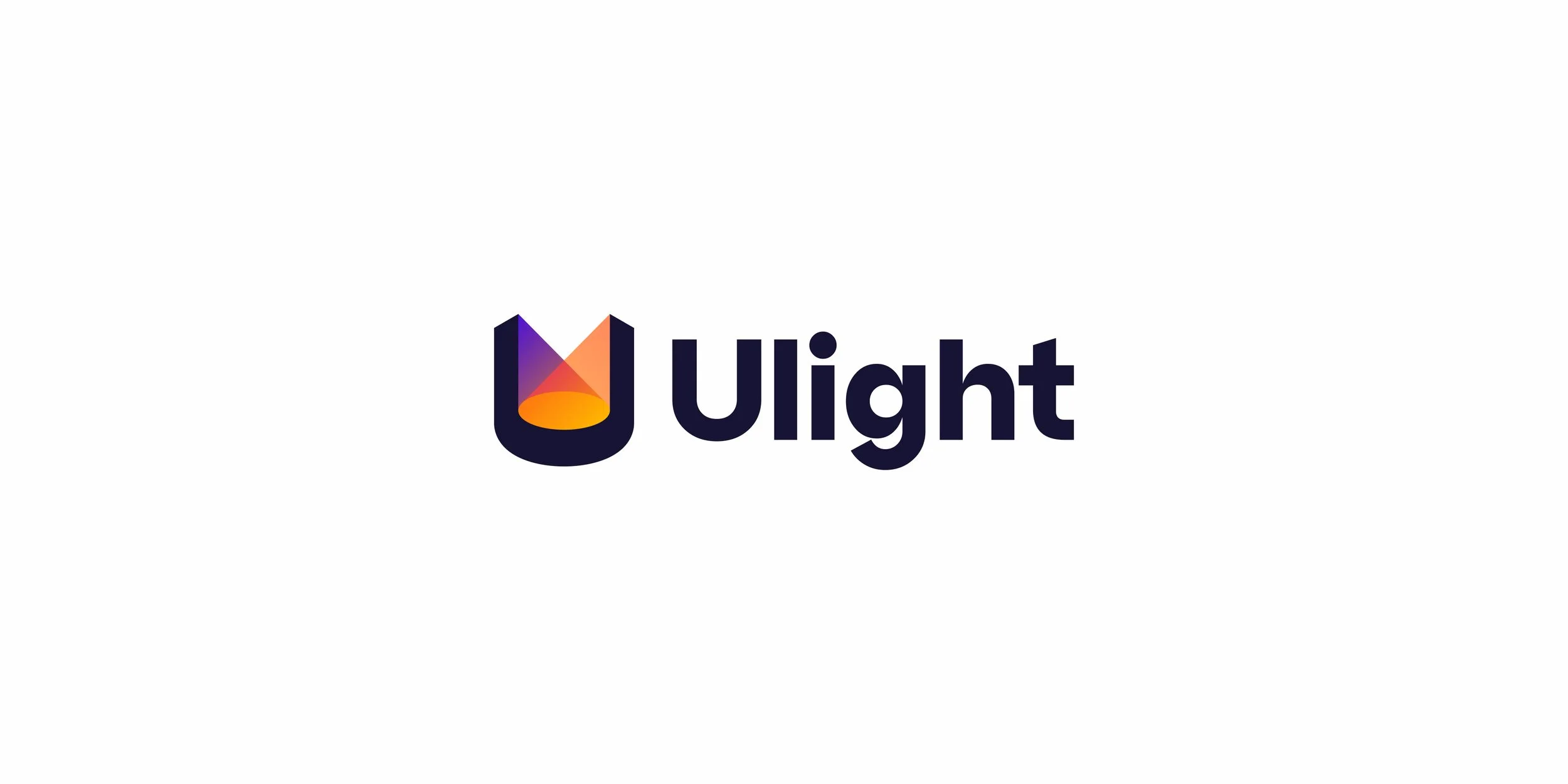
Ulight logo concept by Nadir Balcikli
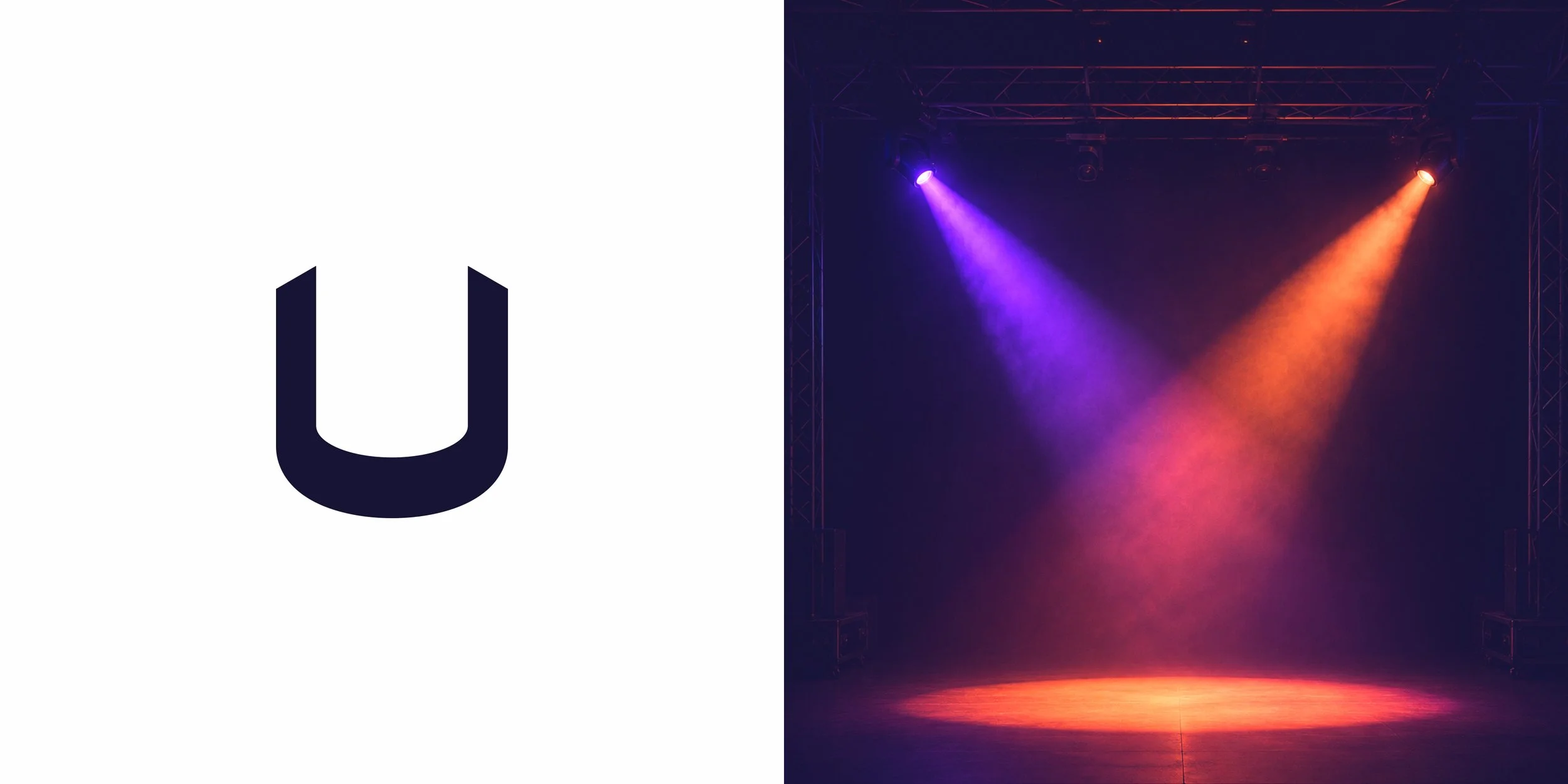
Ulight logo concept combining the letter U with stage spotlights.
That relationship is something you can assess. Does the idea suit the business? Is the symbol clear enough to recognize? Does it still work when shown simply and at a practical size? Lettering, proportion, and the relationship between the name and symbol deserve the same attention.
Review the concepts and give useful feedback
Read the reasoning behind each concept, then compare the designs with the brief. Your first reaction matters, but explaining it helps us decide what to develop.
Focus your feedback on a few useful questions:
Which direction best suits the business and its customers?
What feels appropriate, and what gives the wrong impression?
Are there problems with readability or the places where the logo will be used?
For example, useful feedback might be: "The symbol feels right for our service, but the lettering looks too playful for the audience we want to reach." That gives the designer a clear issue to investigate while preserving the part you think works.
If several people are involved, collect their comments into one considered response and identify who will make the final decision. Explain conflicting reactions so we can work through them. A list of opposing instructions leaves the next step unclear.
Refine the chosen direction
Once you select a direction, we develop it in more detail. Refinement can involve adjusting the symbol's proportions, improving spacing, exploring typography, or resolving the colors and arrangements needed for different uses.
My projects include unlimited revisions to the selected direction. Keeping the feedback connected to the brief gives those revisions a purpose. If the business name, audience, or requested deliverables change, we discuss what that means for the project before proceeding.
Review the design in the applications that matter to your business. Check whether the name is readable at its intended size, whether fine details survive, and whether the logo is clear on the backgrounds you need. A problem spotted here is easier to resolve before the final artwork is prepared.
Approve the logo and prepare the final files
Before approval, check the business name, any tagline, and the versions agreed for delivery. Make sure everyone responsible for approving the design has reviewed the same final version.
I supply vector artwork in AI, EPS, SVG, and PDF formats, along with PNG and JPG exports for everyday use. Vector artwork can be resized without losing sharpness. PNG files can include a transparent background, while JPG files have a solid background. Your printer or developer can confirm the format needed for a particular application.
The remaining 50% payment is due after final approval and before delivery of the final files. Lifetime technical support is included if you need help with the files later. You can find the details in my logo design FAQ.
How long does the logo design process take
For my projects, initial concepts are usually presented within approximately 14 days. The full project timeline depends on the scope and how quickly we work through feedback and refinement.
If you have a launch date, share it at the beginning. Leave time after design approval for your website, printing, or other applications to be prepared. The date of the first concept presentation and the date when everything is ready to launch are separate milestones.
Common questions about the logo design process
Do I need to bring a logo idea
You can bring ideas or references if you have them. Your most useful contribution is an understanding of your business, customers, and requirements. Developing an appropriate visual direction is part of the design work.
Can elements from different concepts be combined
Sometimes. Explain what you like about each concept so we can assess whether those elements work together. Changing the lettering may be straightforward; combining two symbols can alter the central idea and require more development.
What happens if none of the first concepts feels right
We review your feedback to understand what is missing and agree on the next step. Specific concerns about the audience, visual character, or practical use give us a clearer direction for that discussion.
Start your logo design project
I am Nadir Balcikli, a freelance logo designer creating minimal, modern identities for businesses worldwide. You work directly with me throughout the project.
To get started, tell me about your business and what you need. Include where the logo will be used and any deadline you are working toward, and I will review the details and respond with the next steps.