How to Choose a Logo Designer for Your Business
Choose a logo designer whose portfolio shows work suited to your business, whose process you understand, and whose proposal clearly explains the scope, timeline, and final deliverables. Before hiring, look closely at several projects, ask how decisions are made, and confirm who will design your logo and work with you throughout the project.
A portfolio can help you decide whether you like someone's work. The harder question is whether that designer can create the right identity for your business and guide you through the decisions involved.
I have worked independently as a logo designer since 2009. If I were helping a business owner make a shortlist, these are the things I would ask them to look at.
Start with what your business actually needs
You do not need to arrive with a finished design brief. A few clear answers will make the first conversation much more useful:
What does your business do, and who are you trying to reach?
Are you launching something new, replacing an existing logo, or refining it?
Where will the logo appear most often?
Do you need a logo alone or a broader visual identity?
What is your budget range, and is there a fixed launch date?
Be specific about applications. An app icon has different constraints from a long business name on narrow packaging. If customers already recognize your current logo, explain what needs to remain familiar.
For a wider identity project, discuss typography, colors, and any guidelines or templates your team needs. Agreeing on those needs early helps designers prepare proposals you can compare.
Look closely at the portfolio
Start with four or five projects that interest you. Open the individual case studies and spend some time with the actual logos.
Look for consistency in quality
Check whether the lettering is easy to read, the spacing feels considered, and the symbol works comfortably with the business name. You should feel confident about the quality across several projects.
There should also be a reason for different businesses to look different. A recognizable design approach is useful; repeating almost the same symbol for unrelated clients deserves a closer look.
Consider style fit, too. If you need an expressive illustrated identity, look for convincing examples of that work. My own portfolio focuses on minimal, modern logos, which gives prospective clients a clear idea of my approach.
Examine the logo without the presentation effects
Mockups help you imagine an identity in use. Also look for the logo shown plainly, on a simple background and at a realistic size.
Can you read the name when it is small? Do important details disappear? Is there a usable version for a single color or a dark background? A storefront mockup cannot answer every question about a logo that will mostly appear in a mobile app.
The Virtual Staging Art project includes a dimensional visualization alongside flat logo variations. Comparing those views is a useful way to separate the presentation from the mark you will actually use.
Read the reasoning behind the design
A case study should help you understand why the designer made particular choices.
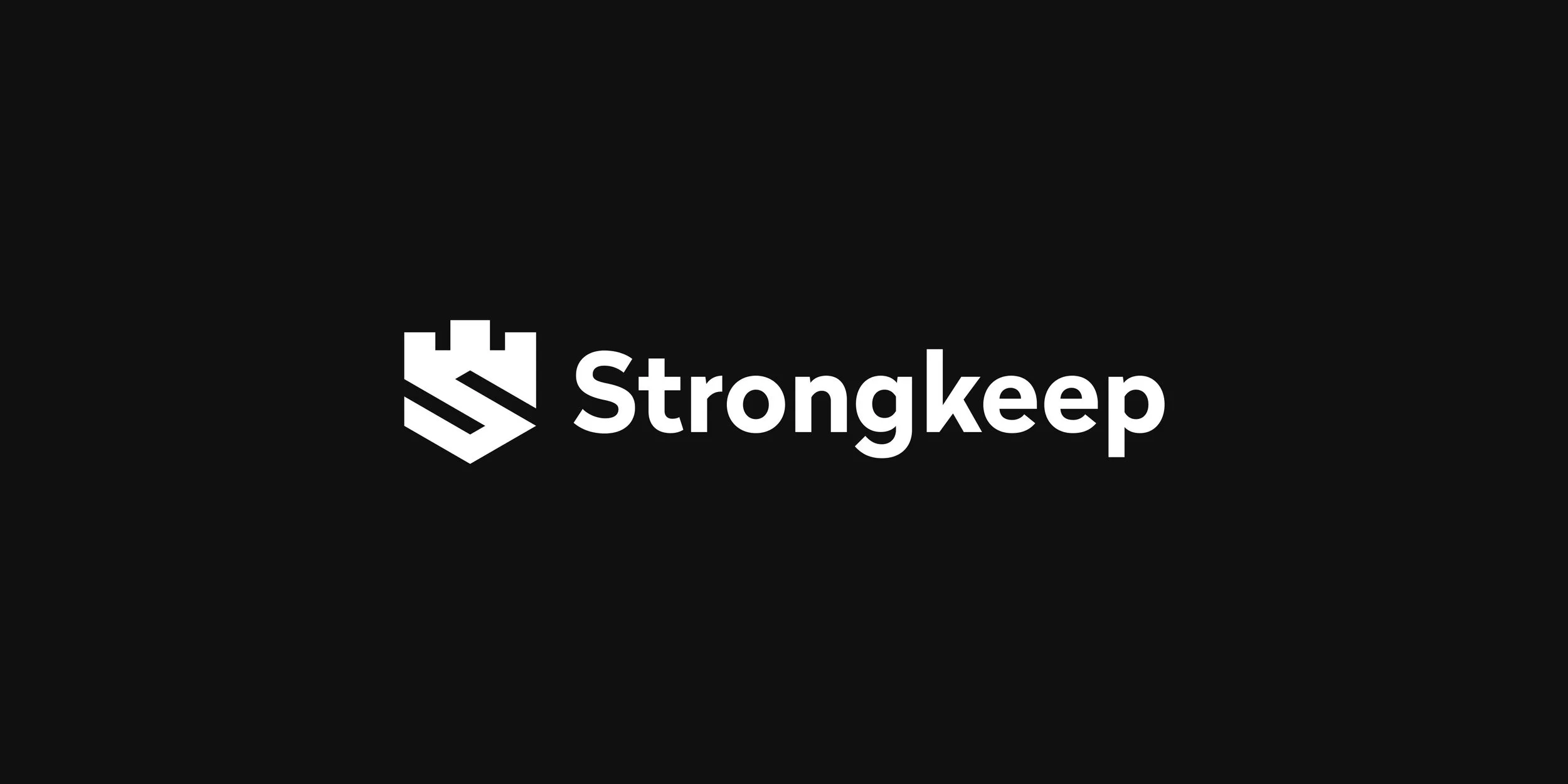
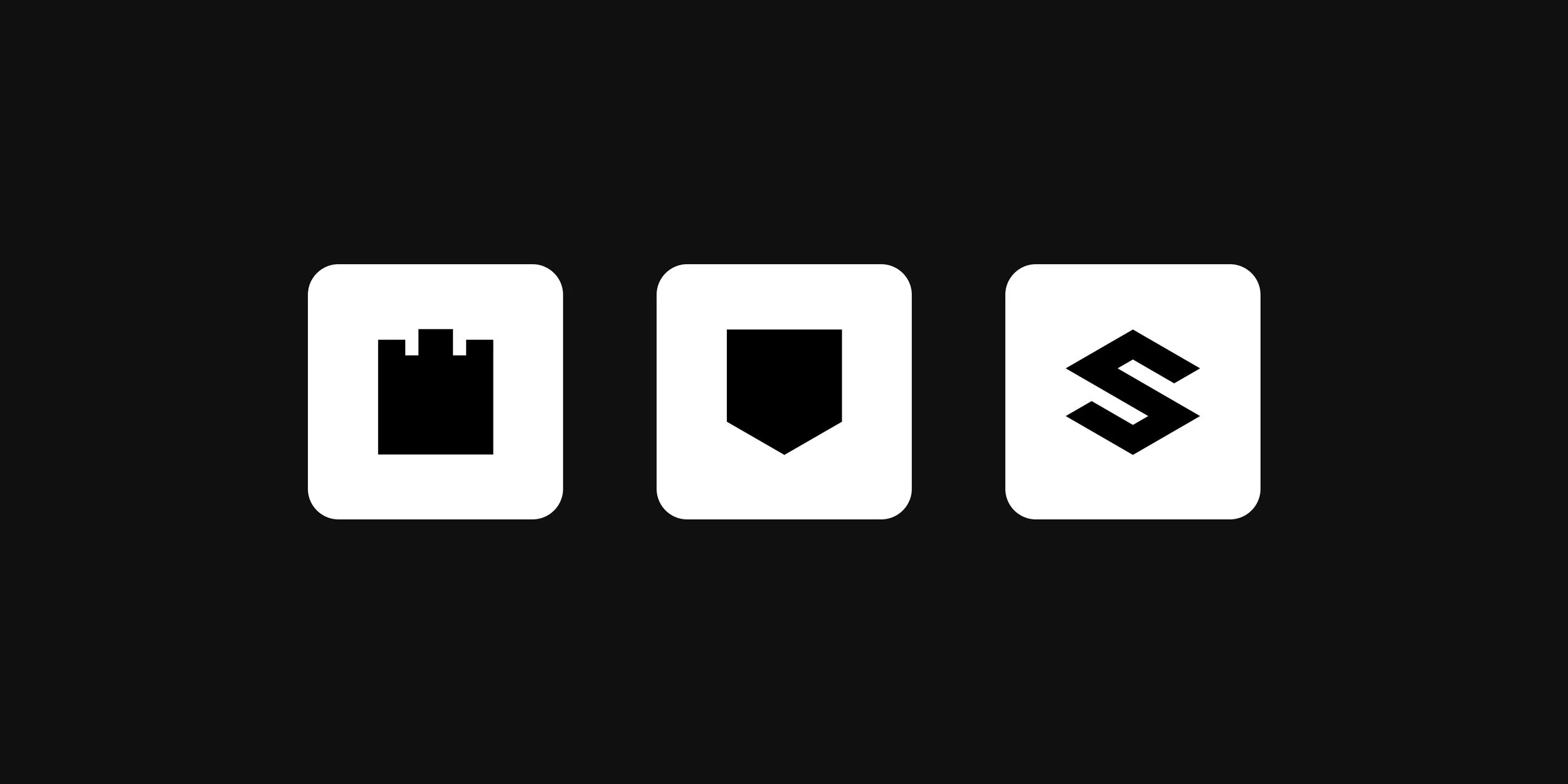
Strongkeep logo concept by Nadir Balcikli, combining an S, a shield, and fortress battlements.
For Strongkeep, I combined an S with a shield and fortress battlements to connect the identity with protection and security. The explanation gives you something concrete to assess: whether the visual idea suits the business and whether the finished symbol communicates it clearly.
That does not mean every logo needs a hidden symbol. A carefully drawn wordmark can be the right solution. Look for decisions that serve the business, including choices about lettering, proportion, and simplicity.
Ask how the design process works
Before committing, you should understand what happens between the first brief and final delivery.
Ask how the designer learns about your audience and competitors, how concepts are presented, and how you will evaluate them together. Find out what happens if the initial directions do not feel right.
The number of concepts is useful to know, but ask what makes those concepts different. Three distinct approaches give you a different decision to make from three color variations of the same idea.
In my logo design process, I develop three original concepts, then work with the client to refine the selected direction. Other designers may structure their work differently. What matters is understanding the approach before you start.
Whatever the revision policy, clarify what counts as refining an agreed direction and what would change the project scope. Also distinguish the date of the first presentation from the date you will receive usable final files.
Notice how the designer communicates
The first exchange can tell you something about the working relationship. Does the designer respond to your actual brief? Do they ask useful questions? Can they explain their recommendations in language you understand?
Ask who will do the design work and who will handle your feedback. If you are choosing someone because of their portfolio, understand how involved that person will be in your project.
When reading testimonials, look for details about collaboration: how the designer handled feedback, whether expectations were clear, and how delivery went. Specific comments are more informative than a general statement that the logo looked great.
You have responsibilities here, too. Decide who will approve the work and collect feedback into one considered response. Conflicting instructions from several people can make even a good design process difficult.
Compare proposals with the same scope in mind
Send shortlisted designers the same brief. Then compare what each proposal includes before weighing the fees.
| What to compare | What you should be able to establish |
|---|---|
| Scope | Logo only, or an identity with additional applications and guidelines |
| Concepts and refinement | Which directions you will see and how feedback will be handled |
| Timeline | First presentation, feedback stages, and final delivery |
| Final deliverables | File formats, logo variations, and any supporting materials |
| Payment and changes | Payment milestones and how additional work is agreed |
| Handover and support | Who can help with file questions after delivery |
A higher fee may cover work you need, or work your business does not require yet. A lower fee may be appropriate for a smaller scope. Ask about omissions rather than filling in the gaps yourself.
For more context on the factors behind a quote, read How Much Does a Professional Logo Design Cost?.
Confirm the files and terms before you hire
Ask which vector and raster files you will receive. Vector artwork, such as SVG or an AI source file, can be resized without losing sharpness. Transparent PNGs are useful for everyday digital use. The delivery should suit the people who will use the logo, including your web developer or printer.
Confirm the variations your applications need, such as a horizontal arrangement, a standalone symbol where appropriate, and one-color versions. Ask whether basic color and usage information is included.
The written agreement should also explain the rights you receive, when they take effect, and whether they cover only the approved design. Ask separately about any font or other third-party licenses needed for the intended use.
If you are commissioning a custom logo, ask how it will be developed and whether stock artwork, templates, or generative AI will form part of the final design. You should be able to understand what you are buying before you commit.
Use a short list of questions to make your decision
Once you have two or three suitable designers, ask each one:
Which project in your portfolio is most relevant to my needs, and why?
What do you need to learn about my business before designing?
Who will create the work and handle my feedback?
What happens if the first concepts do not feel right?
What exactly is included in the fee and final handover?
What could change the quoted cost or delivery date?
The answers should help you judge both the work and the collaboration. If a designer avoids explaining their role, cannot clarify the deliverables, or pushes for payment while important terms remain unclear, resolve those points before proceeding.
Choose the person whose work fits your needs and whose answers give you a clear basis for working together. You should be able to explain your choice using evidence from the portfolio, proposal, and conversation.
Common questions about choosing a logo designer
Experience in your industry
A designer does not have to specialize in your industry to be a good fit. Relevant experience can help, but also look at how they understand unfamiliar businesses. Ask them to explain the research they would need to do for yours.
Working with a designer in another country
Remote collaboration can work well when communication and responsibilities are clear. Discuss time zones, feedback methods, payment arrangements, and your launch schedule before starting. I work with clients worldwide through a direct, collaborative process.
Requesting a free sample before hiring
I do not provide unpaid concepts. For my projects, you can assess the approach through the portfolio, client testimonials, and a discussion of your brief. A walkthrough of a relevant completed project can help you understand the thinking behind the work.
Work with me on your logo
I am Nadir Balcikli, an independent freelance logo designer creating minimal, modern identities for startups and businesses worldwide. You work directly with me from the initial brief through to final delivery.
If that approach fits what you need, explore my logo design portfolio or tell me about your project. Share what your business does, where the logo will be used, and your timeline, and I will review the details and respond with the next steps.